Community-centred flood risk planning in Burundi and the Republic of Congo
Working on behalf of the Global Center for Adaptation, we supported neighbourhood-scale flood risk planning in Burundi and the Republic of Congo, collaborating with communities and local authorities to strengthen risk-informed urban development in flood and erosion prone urban areas.
Responding to growing urban flood risk
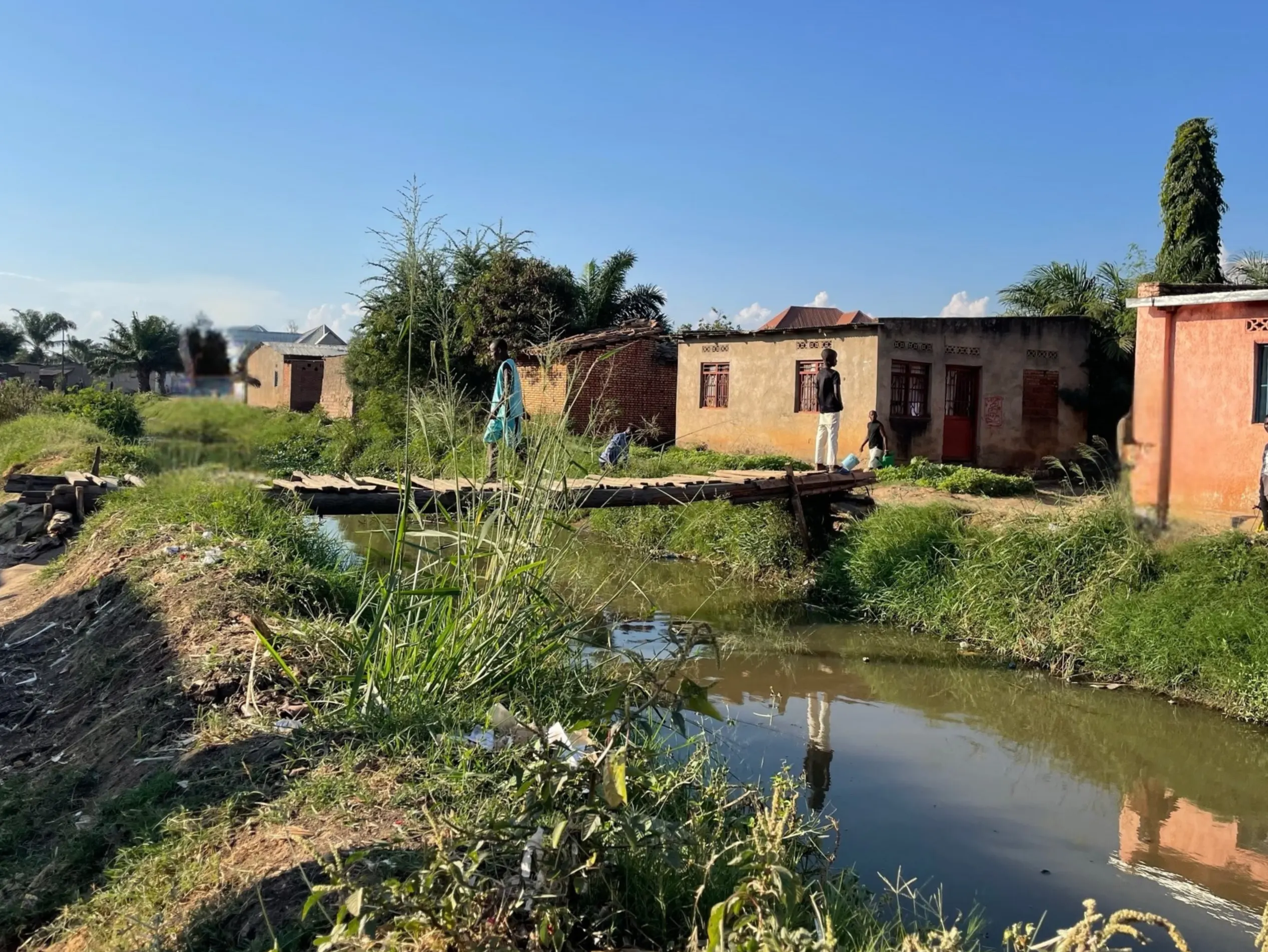
In rapidly urbanising cities in the Republic of the Congo and Burundi, many communities face growing flood risk alongside land degradation and erosion. Informal settlement patterns, inadequate drainage, limited land-use controls, and constrained infrastructure investment are intensifying these pressures and compounding exposure in high-risk areas. As a result, communities experience repeated flood and erosion impacts. Despite these challenges, risk information has not consistently been accessible or actionable at neighbourhood scale.
Working with communities to understand risk
The project applied a community-centred, risk-informed planning approach, recognising that local knowledge and current actions are critical to understanding how flood risk is experienced and managed in practice.
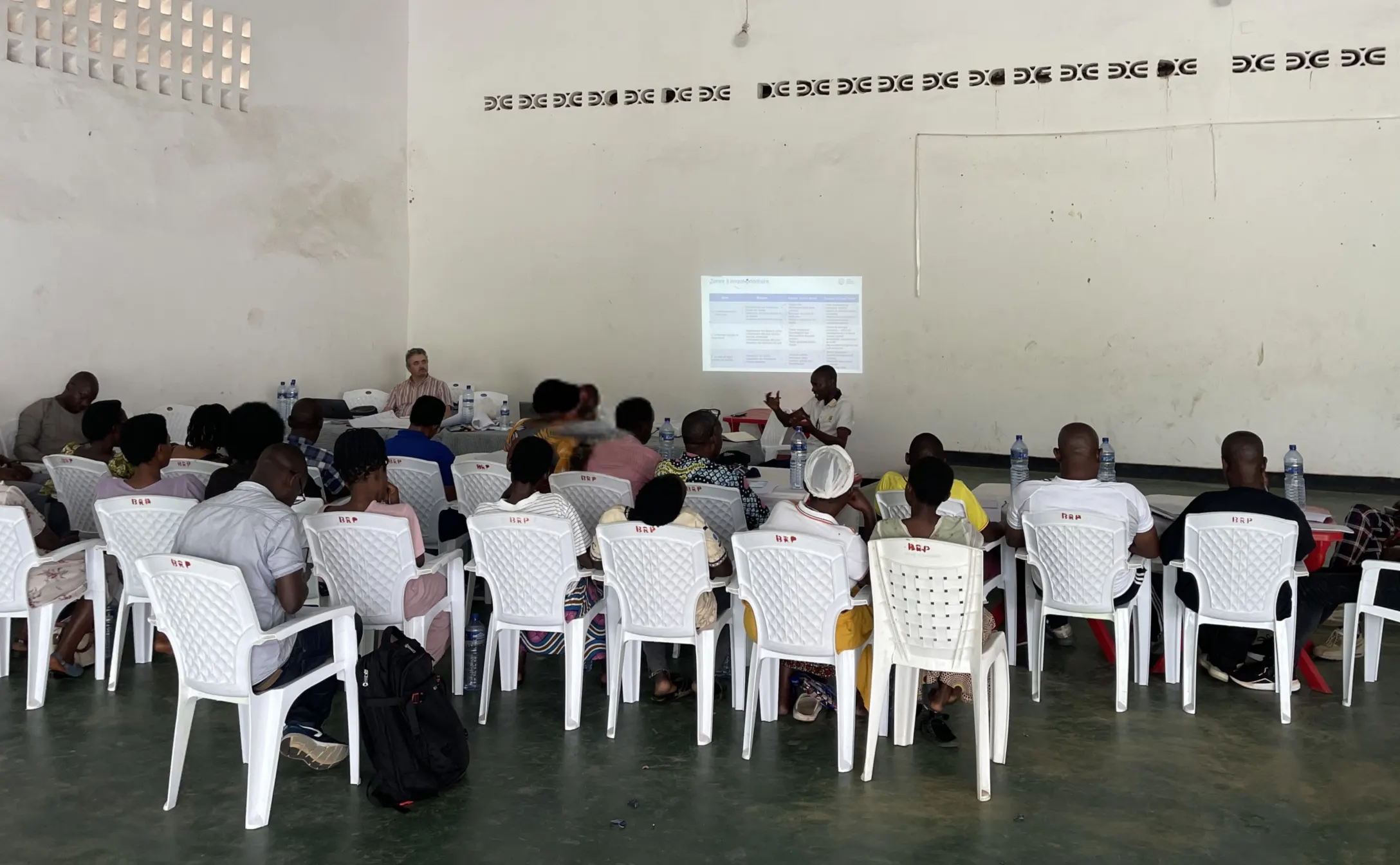
Working on behalf of the Global Center on Adaptation, and alongside project partners Landell Mills and Sayers and Partners, we supported participatory risk mapping and structured dialogue between residents, civil society groups, municipal authorities, and technical experts. This process brought together lived experience of flooding with existing hazard and risk assessments, helping to validate data and build a shared understanding of risk.
Co-developing Community Resilience Spatial Frameworks
Through this collaborative process, Community Resilience Spatial Frameworks (CRSFs) were co-developed for vulnerable neighbourhoods in both countries. The CRSFs provided a practical planning framework to:
Refine and locally validate flood risk information
Support the community in developing a shared vision for their neighbourhoods
Identify context-appropriate structural and nature-based resilience options
Jointly prioritise short- and medium-term intervention to support community-led actions
Align neighbourhood level priorities with existing government plans and cross-cutting projects and initiatives.
CRSF are grounded in strong technical analysis, however they go further, supporting informed dialogue and coordination around realistic, locally supported actions.
Enabling safer and more resilient urban development
The project strengthened urban flood resilience by improving access to locally validated risk information and enhancing capacity for inclusive, risk-informed planning at neighbourhood scale.
By aligning community priorities and current actions with formal planning processes, the project supported coordinated and scalable resilience actions, contributing to safer urban development, reduced long-term vulnerability to flooding, and improved wellbeing for communities exposed to recurrent flood risk.
Location:
Burundi, Republic of the Congo
Client:
Global Center on Adaptation
Expertise:
Hazard and risk modelling
Strategic investment planning
Delivered By:
JBA Consulting
Partners & Collaborators:
Landell Mills Ltd
Sayers and Partners
Contact our team to learn more about this project.
Get in touch
Projects
Other projects
Explore more projects and discover how they are making an impact worldwide.