Low rainfall alone does not explain drought impacts. This article explores how livelihoods, water systems and institutional capacity shape who is affected by drought, and why similar dry conditions can lead to very different outcomes.
Ready to discuss your next project? Contact our team today.
Drought is often described as a lack of rainfall. While periods of low rainfall are a key trigger, they do not explain why comparable rainfall shortages can result in very different outcomes across regions, countries and communities.
To understand why drought impacts vary, it is necessary to look beyond rainfall itself and consider who and what is exposed when water becomes scarce, and how water is managed once shortages begin. In practice, drought impacts emerge from the interaction between dry conditions and the social, economic and water systems that people rely on.
Across many drought-prone regions, food production, livelihoods and essential services depend directly on rainfall or a limited number of water sources. When rain fails, the effects can be felt quickly, with crops affected, incomes under pressure and everyday activities harder to sustain.
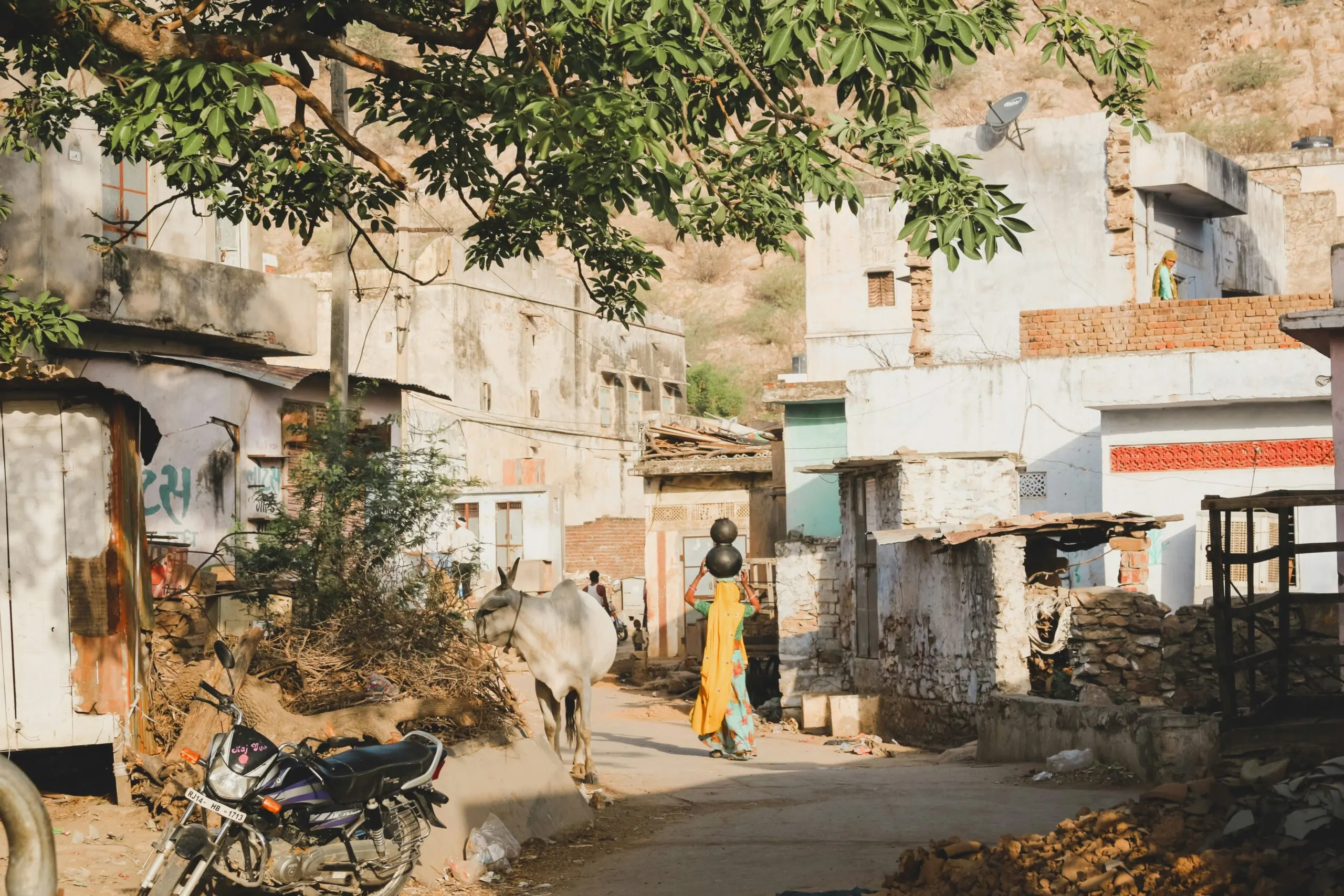
This is particularly evident in parts of Eastern Africa, the Sahel and Central America, where farming, herding and fishing are closely tied to seasonal water availability. In these settings, limited alternatives mean that even short periods of low rainfall can have rapid effects on food production and household income.
Rain-fed systems remain essential to livelihoods and regional food supply. The challenge is not their role, but their exposure to increasingly variable conditions, often without sufficient buffering or support.
Drought exposure is not limited to rural or agricultural settings. Urban areas also face significant exposure when water availability declines, particularly where large populations depend on a small number of surface water or groundwater sources. Cities concentrate people, services and economic activity, meaning that water shortages can quickly affect households, health services, schools and businesses.
Where demand is high and supply options are limited, drought can place acute pressure on urban water systems. In rapidly growing cities, this exposure may be compounded by uneven access to services, with informal and peri-urban areas often relying on intermittent supply, shared water points or private vendors.
Exposure determines who and what may be affected by drought. It does not, on its own, determine how severe those impacts will be.
Water systems play a critical role in shaping how drought is experienced. Access to storage, irrigation, water points and managed supply can help buffer dry periods, allowing communities and services to cope more effectively with shortages.
In some regions, interconnected systems combining storage, transfers and multiple sources provide additional flexibility during dry conditions. Elsewhere, access to infrastructure is uneven. In rural and dryland areas, people may rely on water sources that are seasonal, distant or unreliable. When storage and managed supply are limited, drought can mean longer journeys to collect water, reduced availability for livestock, and increased pressure on health and education services.
Dependence on rainfall is reinforced where water systems rely primarily on seasonal surface water or shallow groundwater. In these settings, limited buffering means that even moderate rainfall deficits can lead to significant impacts.
Similar dynamics can emerge in urban systems where supply is constrained, infrastructure is overstretched or losses are high. In such cases, reduced availability can quickly translate into service interruptions, higher costs and increased competition for water.
How drought is managed also influences its impacts. The ability to monitor conditions, plan ahead and coordinate responses varies widely between and within countries, and differences in institutional capacity help explain why drought impacts persist in some settings and not others.
Where early warning information, clear responsibilities and coordination mechanisms are in place, responses can be more timely and targeted. Where these systems are limited, drought responses are more likely to be reactive, fragmented or delayed, allowing impacts to compound over time.
This is particularly evident where drought coincides with other pressures, such as displacement, insecurity or constrained public services. In parts of Eastern Africa and the Sahel, for example, drought often interacts with wider regional challenges, including fragile and conflict affected operating environments, placing additional strain on already stretched institutions and systems.
Within drought-prone regions, risk is not shared evenly. Differences in access to land, water, services and markets shape who is affected first and most severely when rainfall declines.
Pastoralist and agropastoral communities, smallholder farmers and households in remote areas often face greater challenges due to their reliance on natural resources and limited access to alternatives. In urban areas, households in informal settlements may face similar pressures, despite their proximity to infrastructure, due to constrained or insecure access to water and services.
These dynamics mean that drought often amplifies pressures that are already present, widening inequalities within and between communities.
Taken together, these factors help explain why drought outcomes vary across drought-prone regions. Rainfall may initiate drought, but human systems shape how it is experienced and managed.
This also means drought risk is not fixed. Evidence from multiple regions shows that strengthening water security, improving planning and coordination, and supporting locally appropriate systems can reduce impacts and help communities manage scarcity more effectively over time.
For the humanitarian and international development community, this highlights the importance of looking beyond rainfall alone. Reducing drought risk means supporting practical, context-specific investments in water systems, institutions and capacity, shaped by local livelihood systems and constraints.
Together with our partners, we support efforts to reduce drought risk by strengthening water security and system capacity, helping communities and institutions prepare for dry conditions and respond when rainfall is limited.
Ready to discuss your next project? Contact our team today.
Discover more about the challenges and solutions shaping resilience and sustainable development across the globe.