Articles

Urban resilience by design

Cities sit at the heart of the climate challenge. Decisions made today will determine risk and resilience for decades to come. Here, Dr Paul Sayers, a Partner at Sayers and Partners and a trusted specialist within our wider network, explores how urban development can either increase climate risk or be designed to build long-term resilience.

Contents:

Risk and opportunity

Urban development is one of the most important factors shaping both exposure to climate risk and opportunities to build resilience. By 2050 it is estimated that around two thirds of the global population will live in urban areas (United Nations, 2025). How we plan, build, and regenerate cities and towns will therefore be central to reducing existing climate risks and adapting to future change. As a result, understanding urban development and how best to ‘design in’ resilience is a core focus of our work.

Urban systems are deeply interconnected. Impacts in one area can trigger compound, cascading, and systemic failures across others. Flooding of a substation, for example, can lead to widespread power outages, transport disruption, and economic losses. Similarly, drought affecting rural food production can lead to food insecurity in urban centres. Recognising and planning for these interdependencies is essential to managing risk effectively.

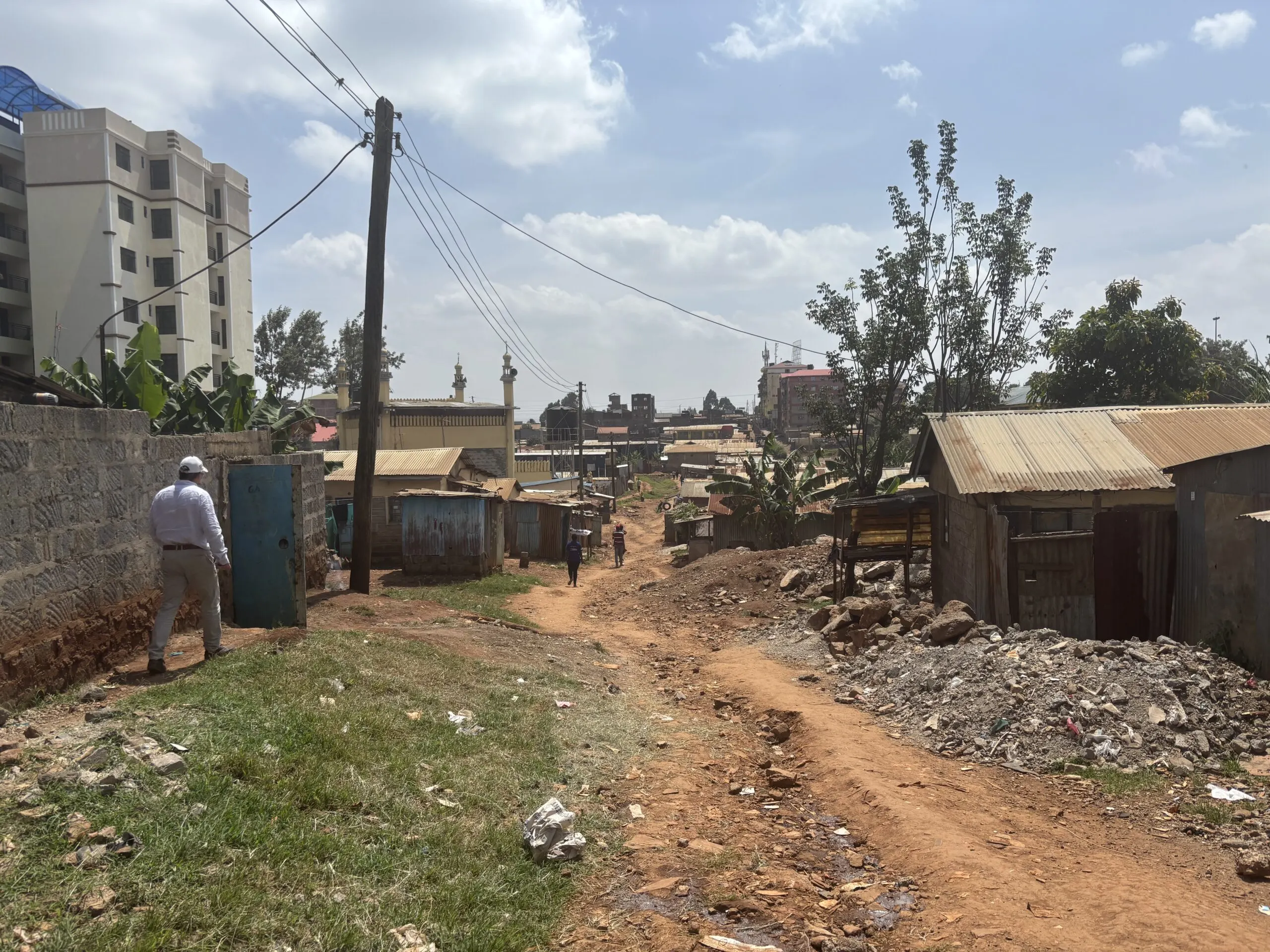
At the same time, patterns of urban growth are intensifying vulnerability. Over 90% of recent urban population growth has occurred in less developed regions, often in informal or unplanned settlements (United Nations, 2025). These communities frequently face limited infrastructure, high exposure to hazards, and low adaptive capacity. As a result, climate impacts disproportionately affect the poorest and most marginalised groups, reinforcing existing inequalities.

This raises a critical question: how can cities be designed to better manage and reduce these risks?

Designing cities to live with risk

Achieving ‘urban resilience by design’ is not without challenges. The future of urban development is inherently uncertain. Population growth, spatial development decisions, and the socio-economic and physical context all shape how cities evolve.

In response to this complexity, we have developed and applied a range of urban development modelling techniques. These approaches are increasingly being used in real-world studies to better understand the drivers of risk and to identify practical and effective adaptation strategies. They are changing how we approach risk assessment, enabling more forward thinking, evidence-based decision making.

Alongside this, we are seeing how resilience can be delivered in practice. People want to live in safe, liveable cities and towns that remain connected to their natural environment – to rivers, coastlines, and green spaces – while being protected from risk. These aspirations are reflected in effective urban flood management: blending nature-based solutions with conventional built defences and drainage systems to slow, store, and safely redirect water. Rather than attempting to fight water, resilient cities are designed to safely live with it.

From vision to implementation

These approaches are not just theoretical. With the right motivation, engagement and communication, they can be implemented in practice. Through our collaborations across Africa, Asia, and beyond, we are increasingly recognising the critical role of governance and planning in shaping resilience outcomes. Integrated planning, strong local institutions, sustained investment in infrastructure, and meaningful community participation are all essential.

From experience, one of the most powerful catalysts for action is a clear and compelling vision of how the future could look. Through our work in Laos PDR, for example, presenting alternative development pathways for floodplains helped galvanise action – protecting space for water within rapidly growing urban areas.

Globally, concepts such as the ‘sponge city’ are gaining traction, although they are not yet widely adopted. In many contexts, the challenge lies in retrofitting these principles into the existing urban fabric. Our work in Nairobi, for example, we explored how drainage networks, from small roadside channels to larger systems, can be reconfigured across multiple scales to deliver meaningful flood risk reduction.
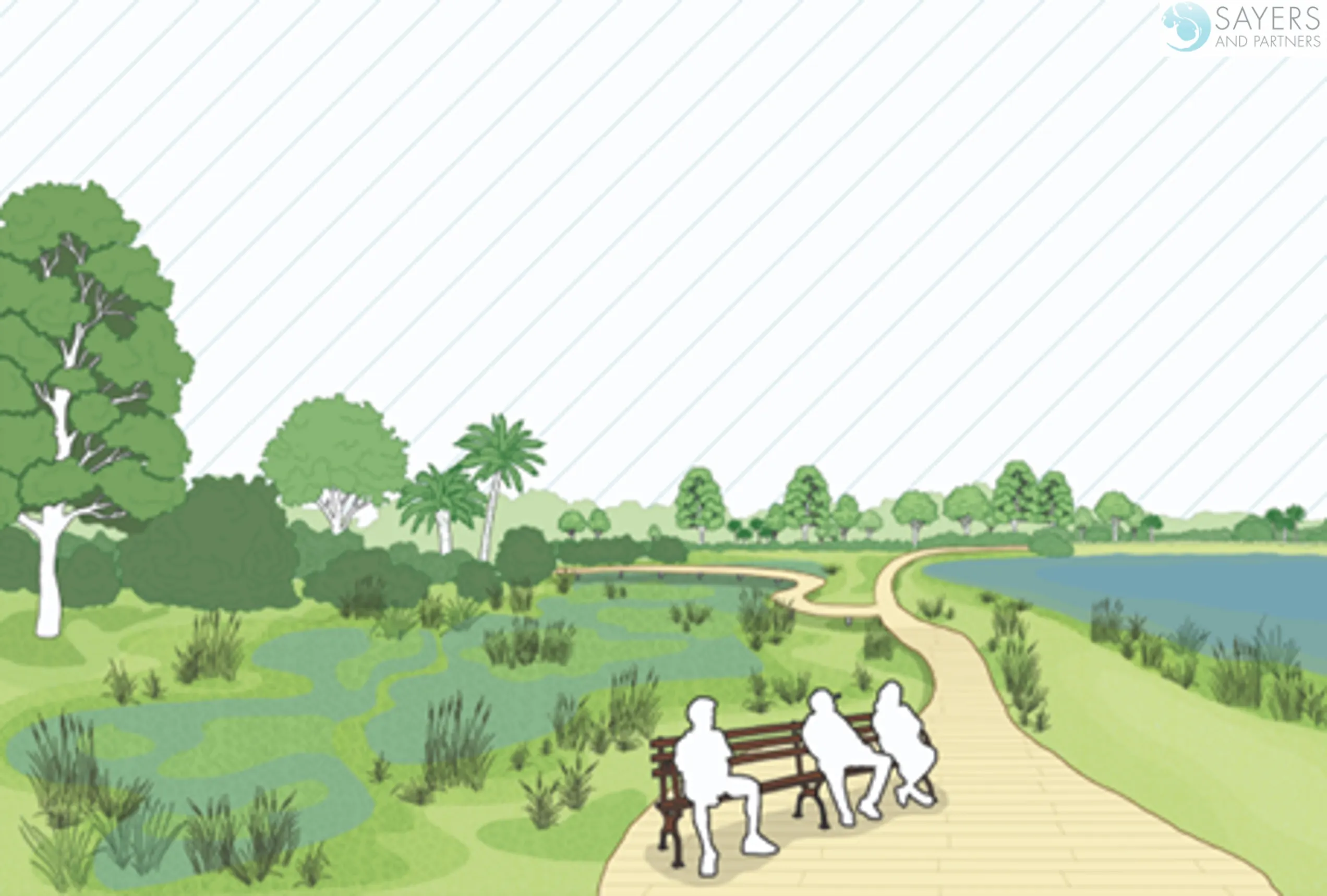
Illustration showing an urban floodplain with wetlands, trees, walking paths, benches and a water body, designed to make space for water within a city.

Making space for water, and restoring urban floodplains in Loas (Photo credit: Bill Sayers ARB)

Final thoughts

Urban resilience has a direct impact on people’s lives and livelihoods, and it is something we can actively shape. This includes addressing the challenges faced by informal settlements, reducing risk for the most vulnerable, improving access to clean water and sanitation, and ensuring that new development is well considered so it does not add to future risks. Getting this right is perhaps the most pressing climate adaptation challenge of our time, and we are committed to playing our part.

About the author

Dr Paul Sayers is a Chartered Engineer specialising in the strategic management of flood and water‑related risks and climate adaptation opportunities. He holds a PhD in system risk and brings over 30 years of national and international experience across all aspects of climate resilience.

Paul is a Partner at Sayers and Partners. Learn more about their work on flood risk management and resilience at www.sayersandpartners.co.uk.

INSIGHTS​

Other articles​

Discover more about the challenges and solutions shaping resilience and sustainable development across the globe.

Input your search keywords and press enter.