Many of the most important decisions shaping resilience outcomes are made well before a project formally begins. At this stage, priorities are still being defined; options remain open, and uncertainty is often high.
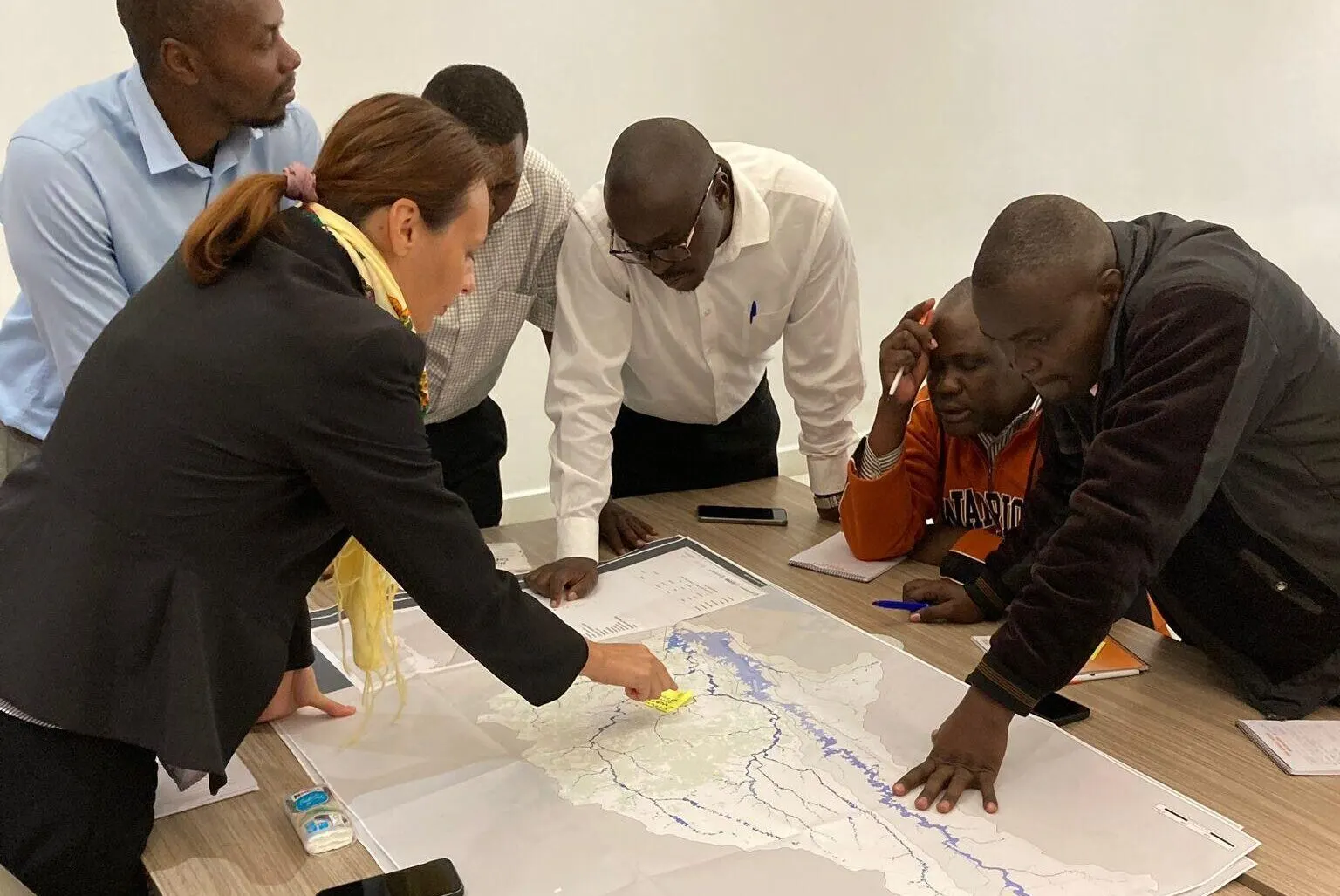
Our upstream support focuses on working with clients early – between country strategies and project preparation – to build a shared understanding of context, the scale and nature of risk, and where investment can deliver the greatest long-term benefit.
The emphasis is not on prescribing specific solutions, but on setting objectives, exploring trade-offs, and understanding what different choices could mean over time, including how they may be funded.
In practice, this often means bringing hazard and risk information into country dialogue before projects are scoped. For example, through our work with the Development Data Partnership (DDP), development partners use JBA’s Global Flood Maps to inform early discussions with governments – helping identify priority risks and investment needs early in the planning process (learn more about our collaboration with the DDP).
At larger scales, we support strategic risk assessment across portfolios. Multi-country assignments for the Asian Development Bank have helped identify where disaster and climate risk may constrain development objectives, and practical guidance to support more coordinated and effective investment planning.
We also support partners to identify potential bankable projects early in the project lifecycle. In Romania, we developed new hazard and risk data across 1,100 km of river network, and the Danube coastline. Combined with extensive engagement across 11 River Basin Authorities, we developed a wide range of potential investment projects that prioritise nature-based solutions (NbS) and Green Infrastructure, ensuring alignment with EU Green Deal principles and maximising funding potential. More detailed strategy documents were also prepared for 30 priority projects, enabling a smooth transition to feasibility study stages and future implementation.
Strong upstream engagement sets clearer, more realistic pathways for what follows, aligning strategies, projects and financing opportunities from the outset.
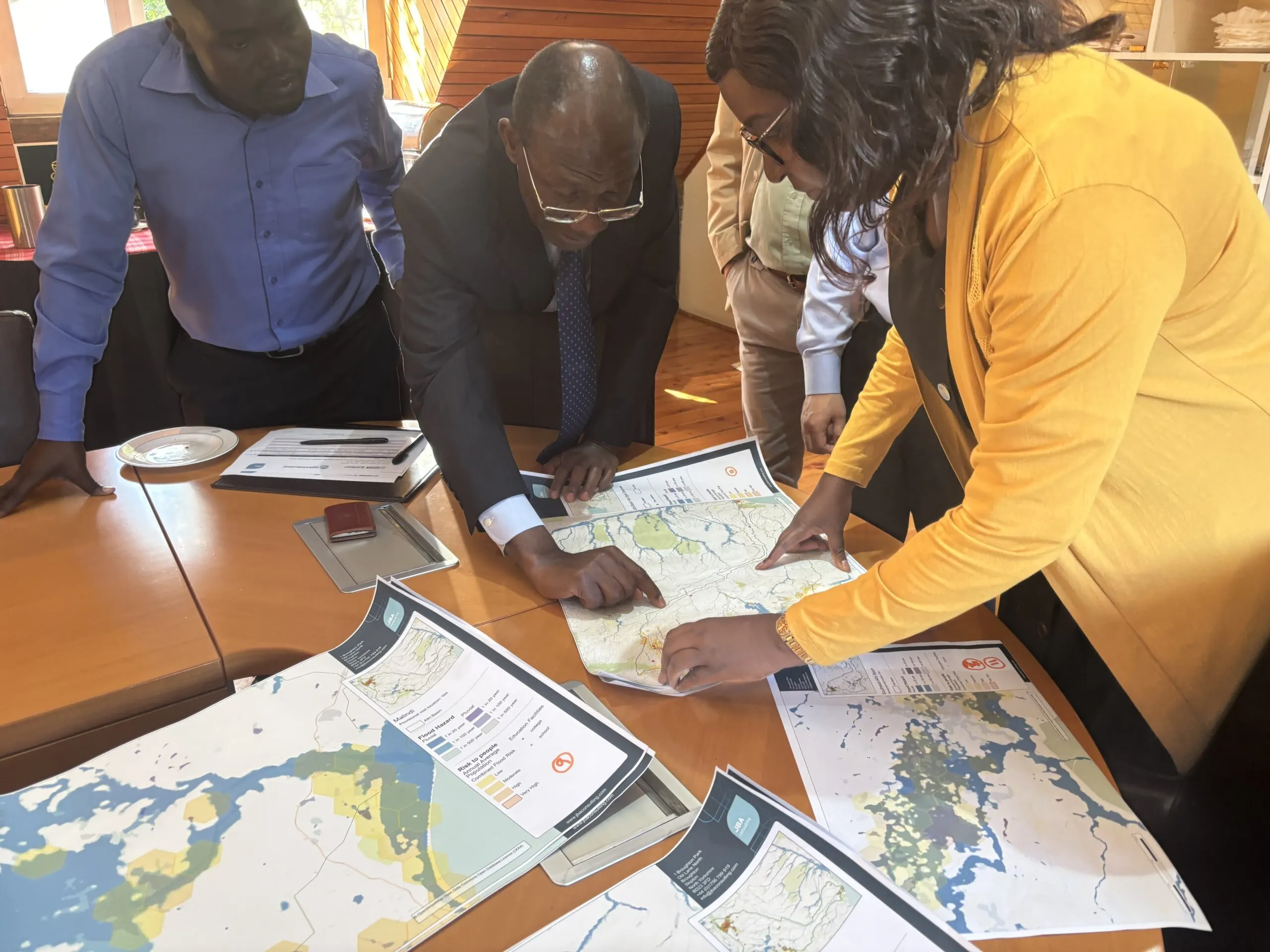
Technical assistance sits at the centre of the resilience lifecycle. This is where detailed hazard and risk modelling, combined with strategic investment planning and stakeholder engagement, supports partners to move from initial investment concepts and ideas to making informed, defensible choices.
At this stage, risk information becomes a way to navigate trade-offs – between locations, measures, timeframes and budgets. By testing options and comparing outcomes, decision makers can prioritise portfolios of actions that are feasible, fundable and resilient by design, while delivering wider social and economic benefits.
This type of support underpins much of our project work. In Kenya, Burundi, the Republic of Congo and Lao PDR, for example, we have combined flood risk modelling with investment planning and economics to help cities and national authorities prioritise measures that balance protection, cost and long-term performance.
Across our technical assistance, we often focus on assembling portfolios of structural and non-structural measures that perform well under future climate conditions, rather than relying on single interventions. This approach helps embed resilience across systems and sectors.
We are also investing in innovation to support better decision-making. Resilience Studio brings together risk data, investment options and scenario analysis in an interactive environment, enabling teams to explore trade-offs and co-design solutions. It reflects the direction of travel for decision support in complex resilience planning.
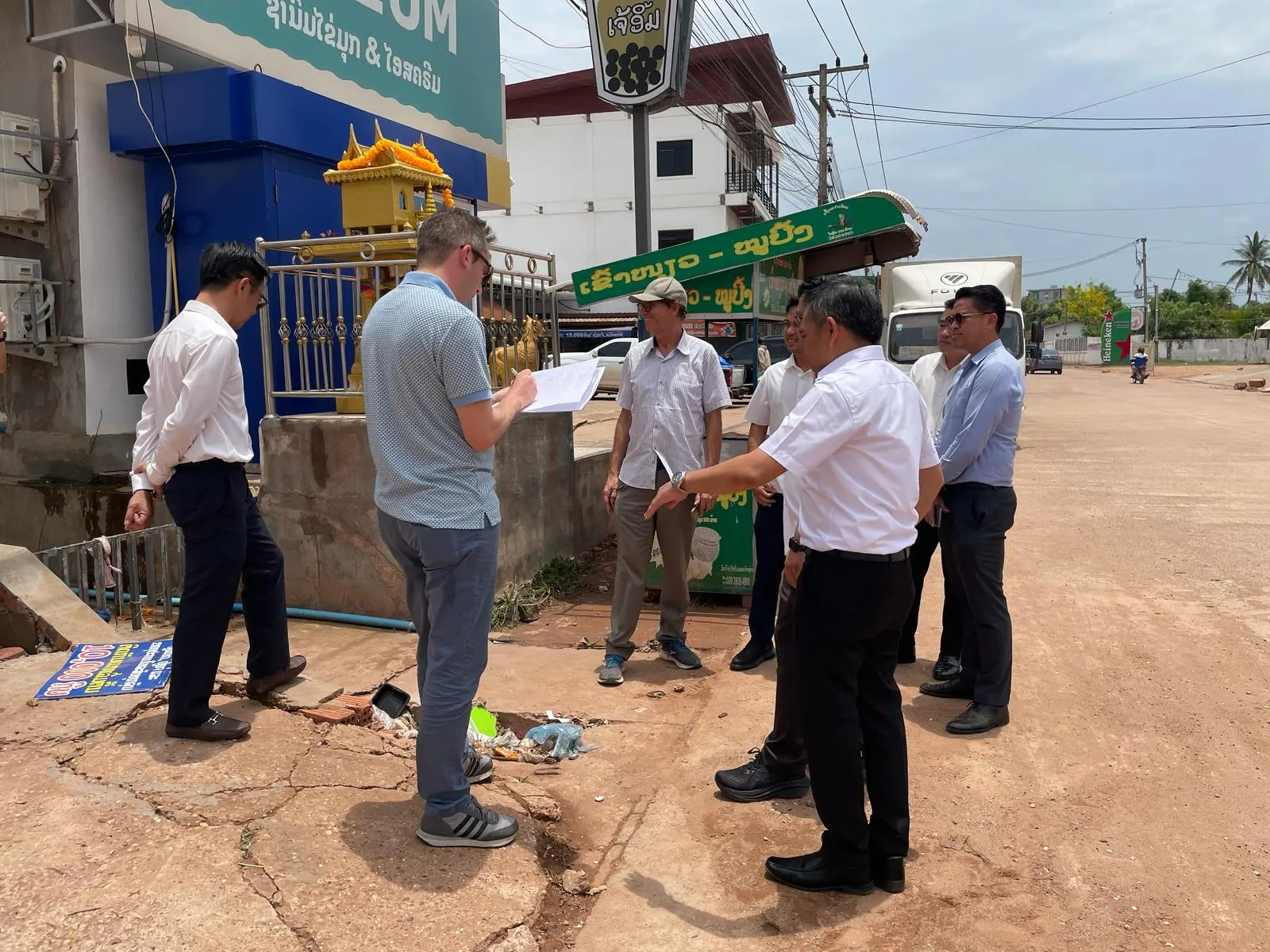
Implementation is where resilience strategies are put into practice and assumptions are tested. Delivery conditions – including institutional capacity, financing and operational realities – can evolve and are not always fully visible at the outset. This calls for an adaptive approach. By setting clear decision points, monitoring performance and learning from delivery, teams can update priorities and investments as new evidence and experience emerge. Resilience is a process, not a single step or action.
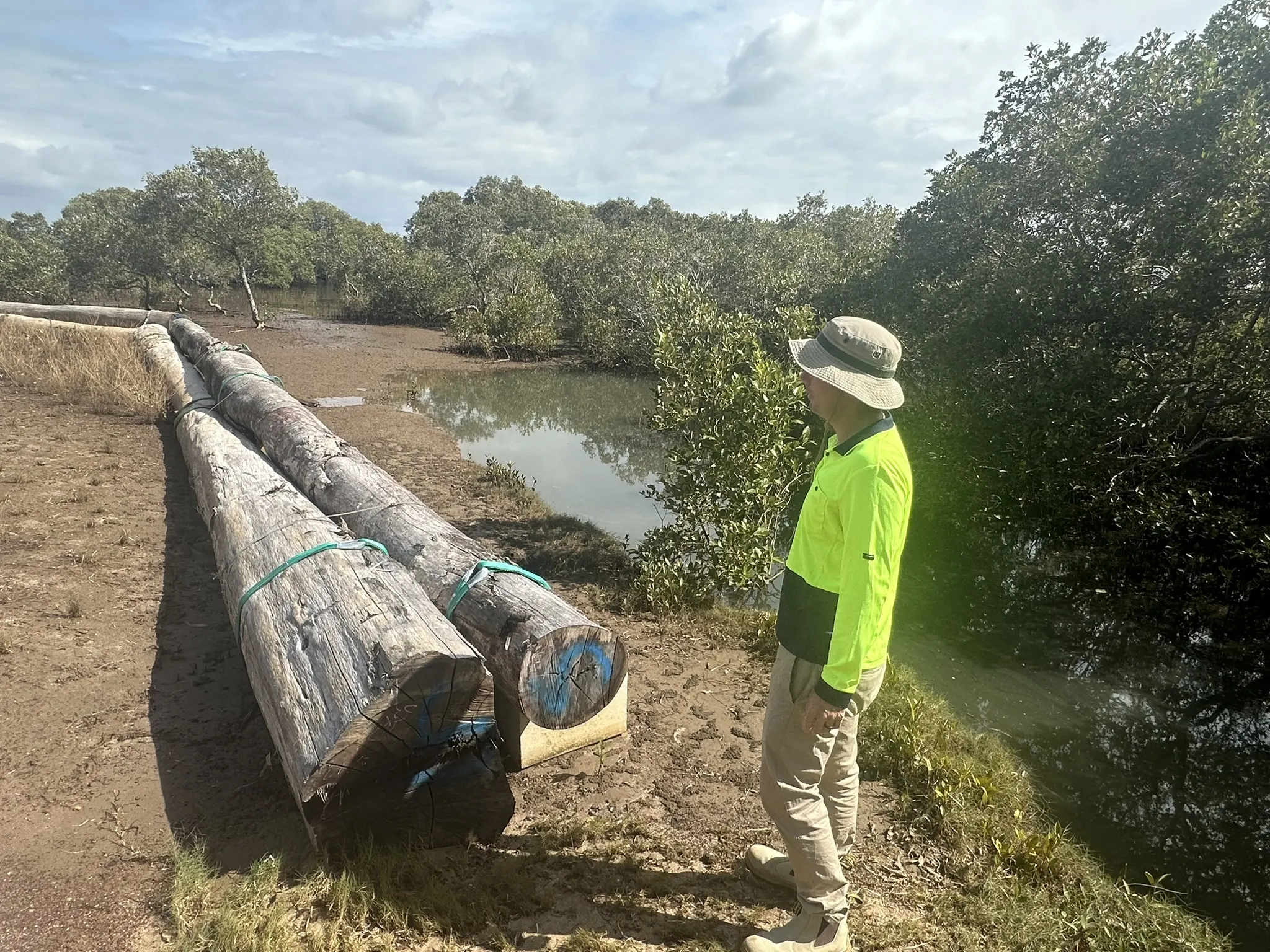
At this stage, our work often supports learning by doing. This includes piloting NbS to understand how they reduce flood risk while delivering wider environmental and social benefits. Working with our colleagues at JB Pacific, we are trialling approaches that link flood risk analysis with NbS, using pilot projects to explore how these measures function in practice, how performance can be monitored over time, and how lessons can inform future investment decisions.
We also support implementation through financial and operational systems that strengthen preparedness and response. This includes designing disaster risk financing mechanisms that help governments respond more effectively to events and recover faster. For example, across Sub-Saharan Africa we supported African Risk Capacity to design sovereign flood insurance, using probabilistic flood modelling and real-time monitoring to determine when policy payments should be made.
We develop operational flood forecasting and early warning systems that link science, institutions and decision-making. For example, in Bangladesh and Nigeria, we helped design flood triggers for anticipatory action, using probabilistic forecasts to support timely cash transfers – enabling people to act before flood events occur.
Crucially, lessons from implementation feed back into earlier stages of the lifecycle. They sharpen future investment planning, strengthen technical assistance design, and help ensure that resilience measures remain grounded in what works in practice.