Projects

Planning for a secure and sustainable water supply in St Helena

JBA supported St Helena Government in developing its first island-wide Water Resources Management Plan and Drought Plan, combining modelling, community engagement and adaptive planning to support long-term water security and investment decisions.

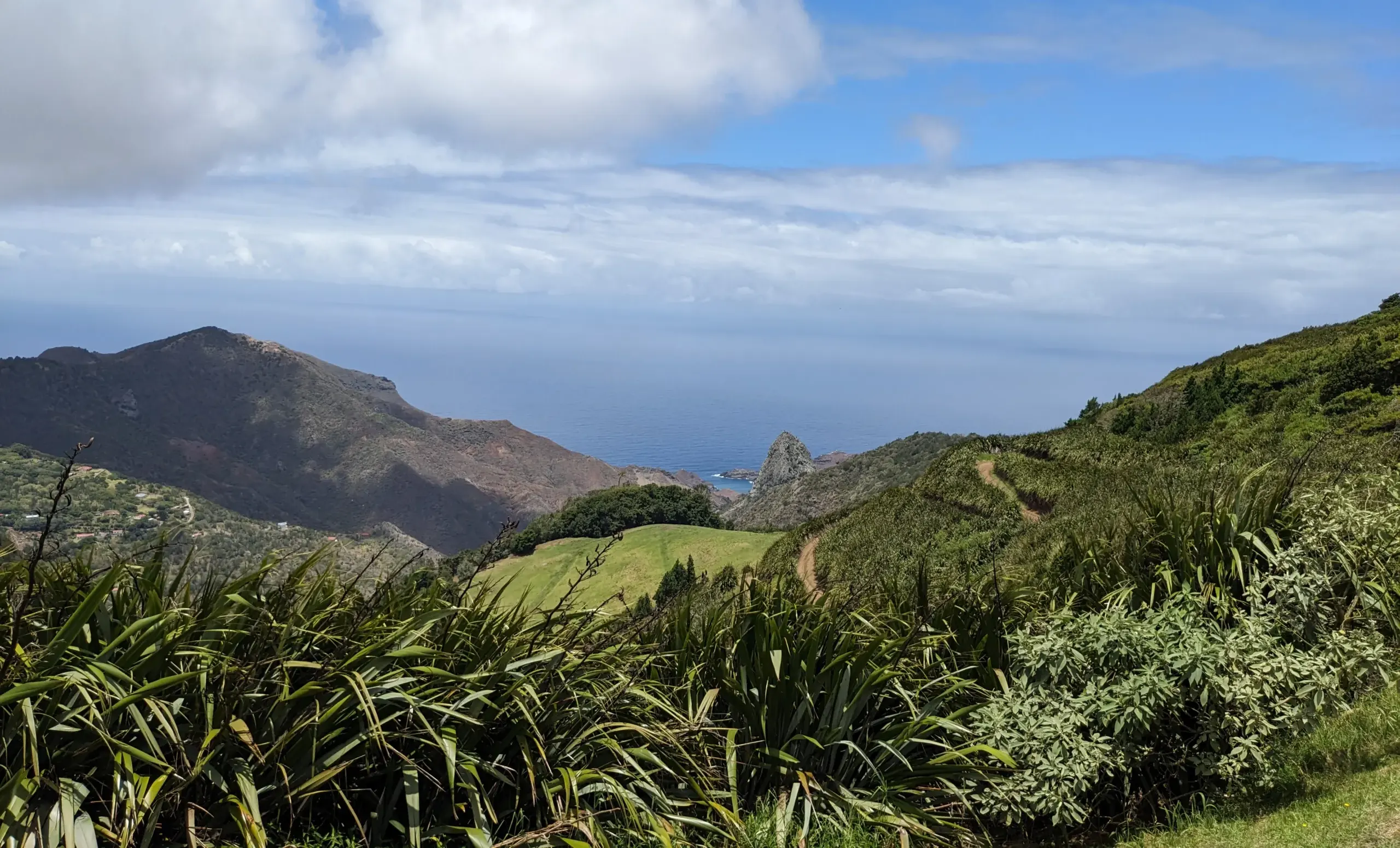
Green hills and rugged coastline overlooking the sea beneath a blue, partly cloudy sky. St Helena.

St Helena is one of the world’s most remote inhabited islands, located in the South Atlantic Ocean. Its water supply depends heavily on rainfall, while steep terrain, limited storage and ageing infrastructure make reliable supply more challenging. Climate change, population trends and economic growth add uncertainty about how water availability and demand may change over the coming decades.

We supported St Helena Government in developing its first island-wide 40-year Water Resources Management Plan (WRMP) and Drought Plan, providing a long-term strategy for securing water supplies in one of the world’s most remote and environmentally unique communities. Combining hydrological modelling, system simulation, stakeholder engagement and adaptive planning, the project established a practical roadmap for managing uncertainty and investing in water resilience over future decades.

The plan combines technical analysis, stakeholder engagement and adaptive planning, providing a long-term framework for decisions under a range of possible futures.

Building an evidence base for long-term decision making

A detailed water resources assessment was undertaken to understand how much water St Helena can reliably supply under current and future conditions. Hydrological, demand and water resources models were developed to represent the island’s complex system of springs, groundwater sources, reservoirs, treatment works and transfers.

These tools were used to assess climate change impacts, estimate future water availability and test how different demand and growth scenarios could affect water security. The analysis showed that, while current supplies are generally sufficient, additional pressures could emerge from the mid-2030s under higher growth and climate change futures, helping identify when investment may be required.
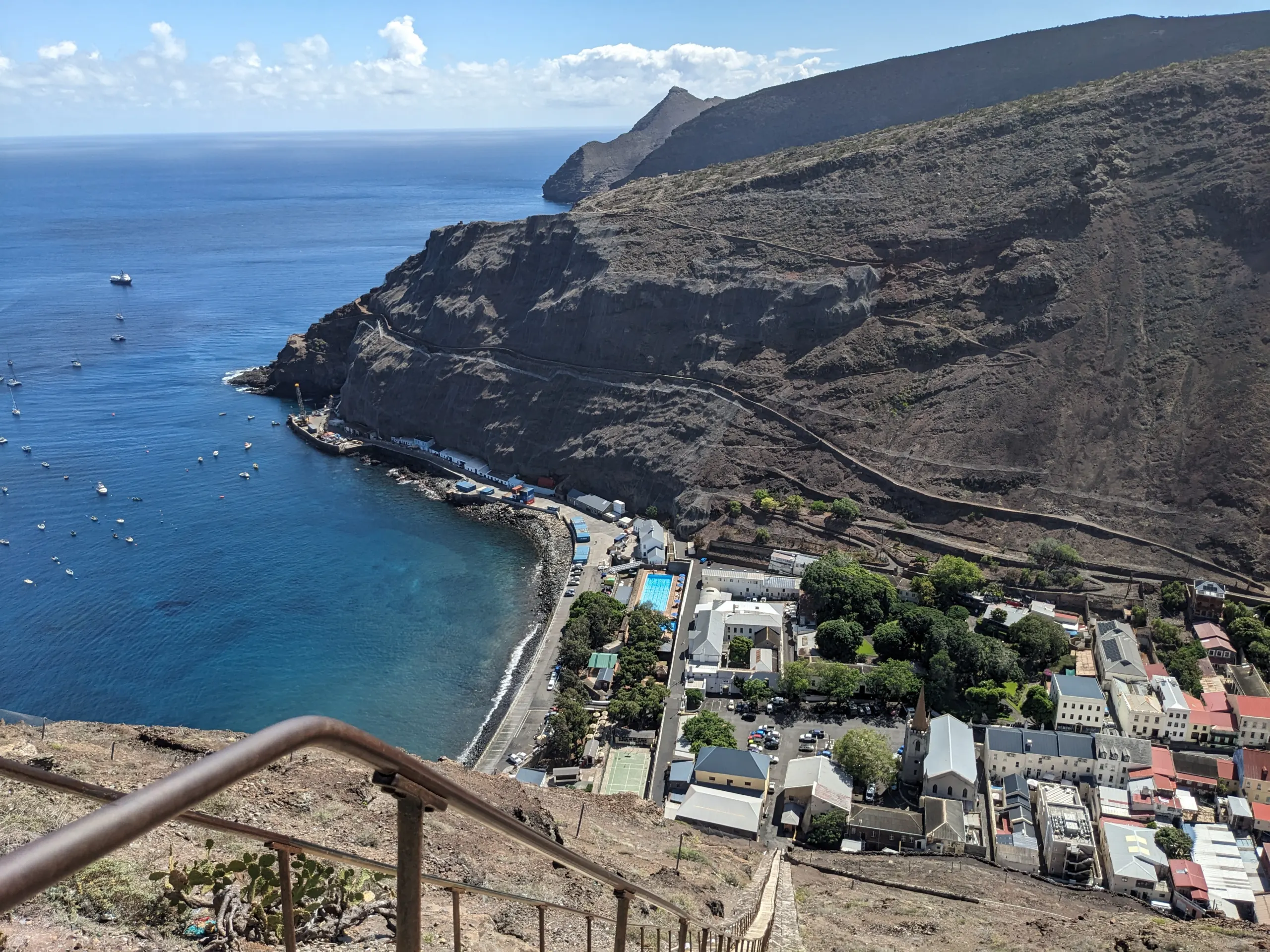
View over Jamestown and the rocky coastline of St Helena, with boats in the bay and the Atlantic Ocean beyond.

Bringing together technical analysis and community engagement

The project included a public consultation programme supported by accessible materials. These materials explained how St Helena s water system works, the pressures it may face and the options being considered through the WRMP. Residents and stakeholders were invited to explore the proposals and share their priorities, creating opportunities for local knowledge and perspectives to inform the final plan.

Understanding future water demand and supply

The study assessed future water demand under three different scenarios, reflecting uncertainty around population change, economic activity and water use.

The scenarios were compared with projected water availability under climate change to assess how the balance between supply and demand could change. Under higher-demand and climate change scenarios, the analysis indicated that pressure on water resources could increase from the mid-2030s without further action.
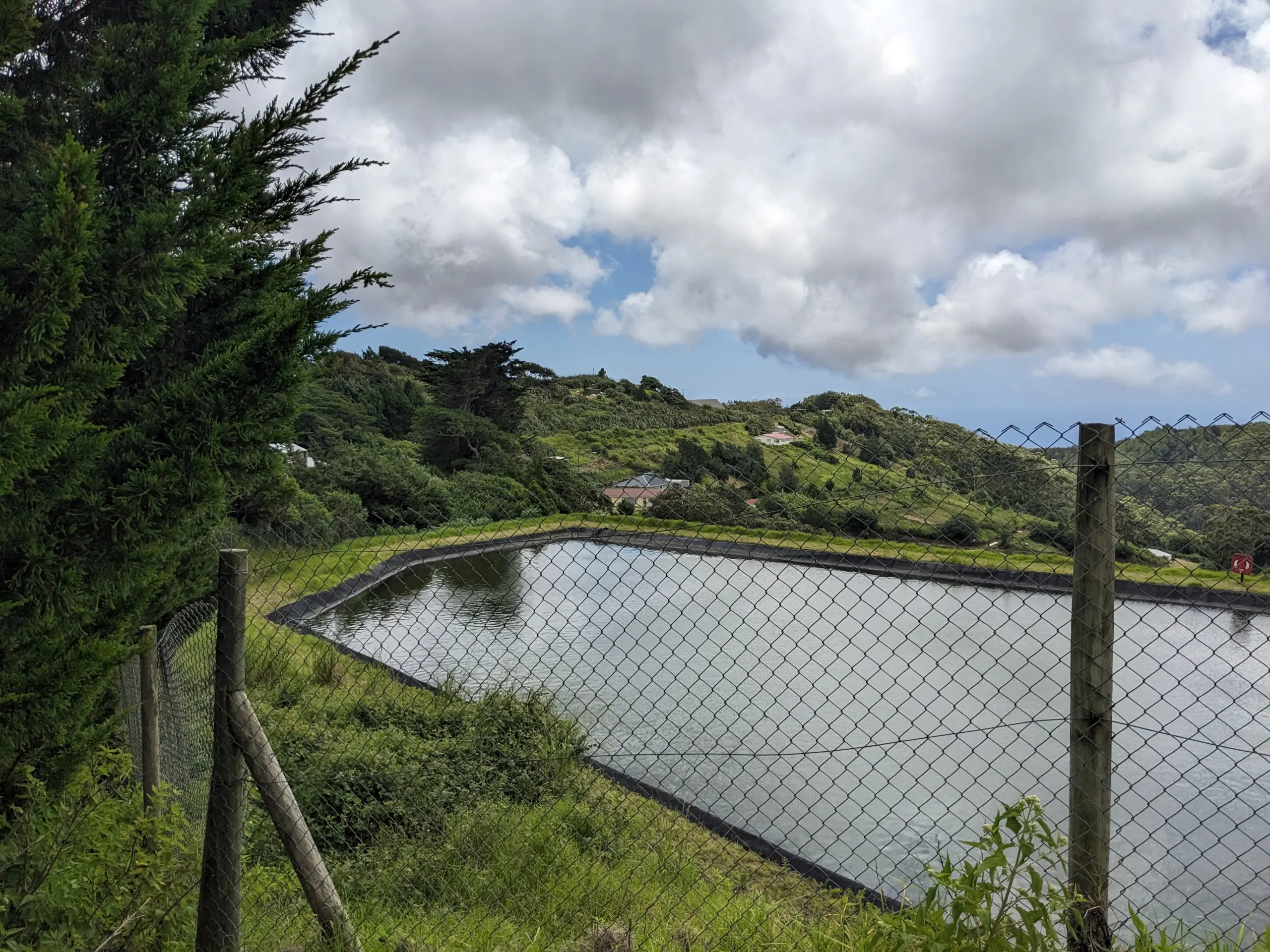
Water storage reservoir surrounded by green hills and vegetation on St Helena.

Creating an adaptive pathway for resilience

The preferred strategy was developed using adaptive planning principles, recognising that future population growth, economic development and climate impacts remain uncertain. Rather than committing to major infrastructure immediately, the plan identifies trigger points and decision pathways that allow actions to be implemented when evidence shows they are needed, reducing the risk of over- or under-investment.

The plan sets out a phased pathway of measures:

  • Low-regret actions that deliver benefits under any future scenario, including leakage reduction, operational improvements and strengthened drought planning.
  • Short-term measures that improve system performance over the coming years.
  • Medium-term investments that can be introduced if future demand growth or climate impacts begin to emerge.
  • Long-term options that provide a safety net under more challenging future conditions.

The WRMP also explored nature-based solutions unique to St Helena’s environment, including catchment restoration, enhanced water retention and the role of cloud forest and fog interception in supporting long-term water resilience.

Strengthening drought resilience

As part of the project, an updated Drought Plan was developed to support earlier and more consistent decision-making during prolonged dry conditions.

A new methodology for monitoring and triggering drought was developed. Response measures were also reviewed and updated. These measures provide a framework for managing water resources during future droughts while helping maintain reliable services for communities across the island.
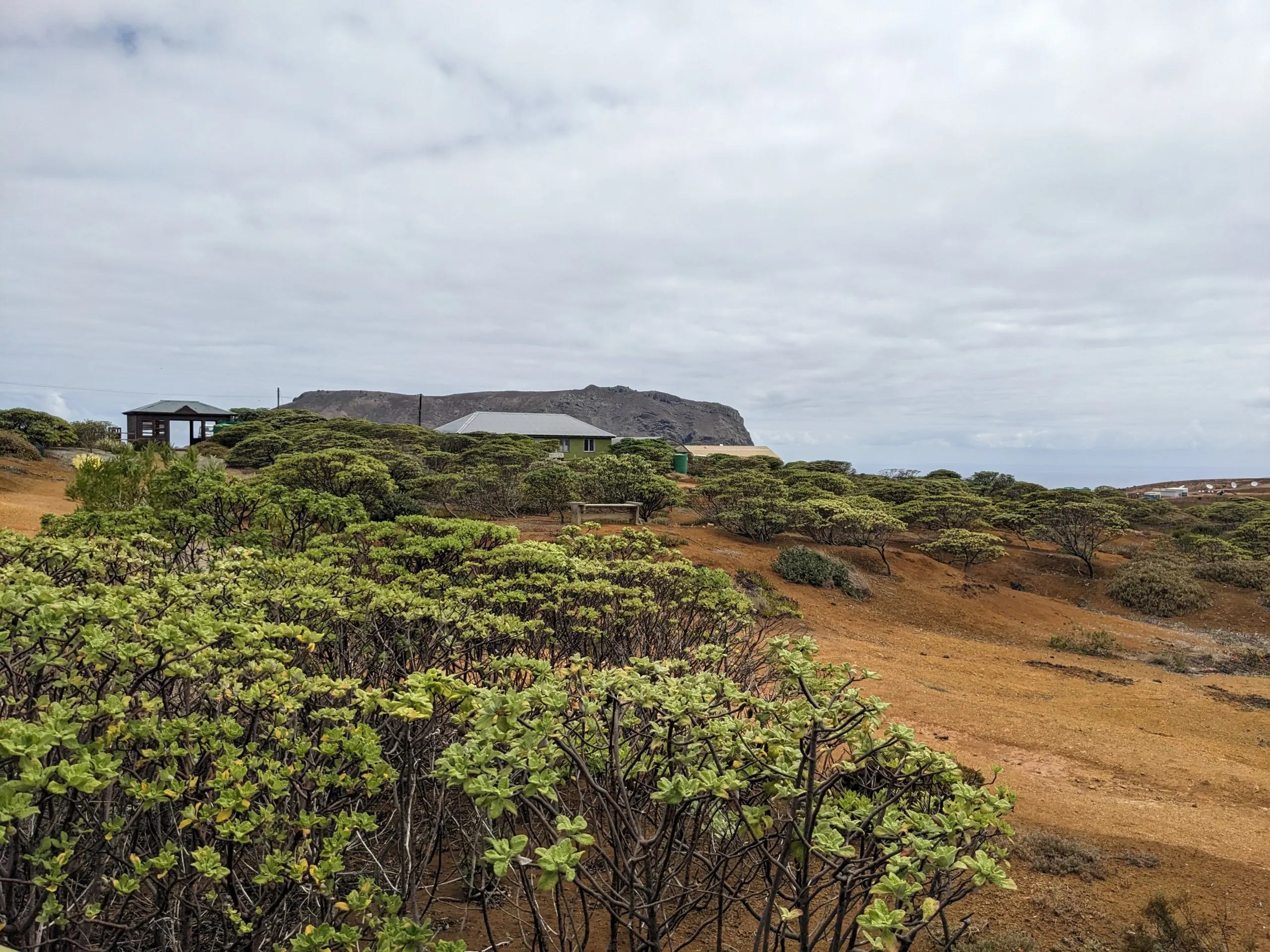
Green vegetation and scattered buildings across a dry hillside on St Helena beneath a cloudy sky.

Supporting long-term water security

The WRMP provides St Helena Government with a flexible, practical and evidence-based roadmap for deciding when and where to invest as demand, climate conditions and water availability change. By guiding the management of one of the island’s most critical resources, it supports resilient communities, sustainable development and informed investment decisions over the next 40 years.

Location:

St Helena

Client:

St Helena Government

Expertise:

Hazard and risk modelling
Strategic investment planning

Delivered By:

JBA Consulting
Projects

Other projects

Explore more projects and discover how they are making an impact worldwide.

Input your search keywords and press enter.