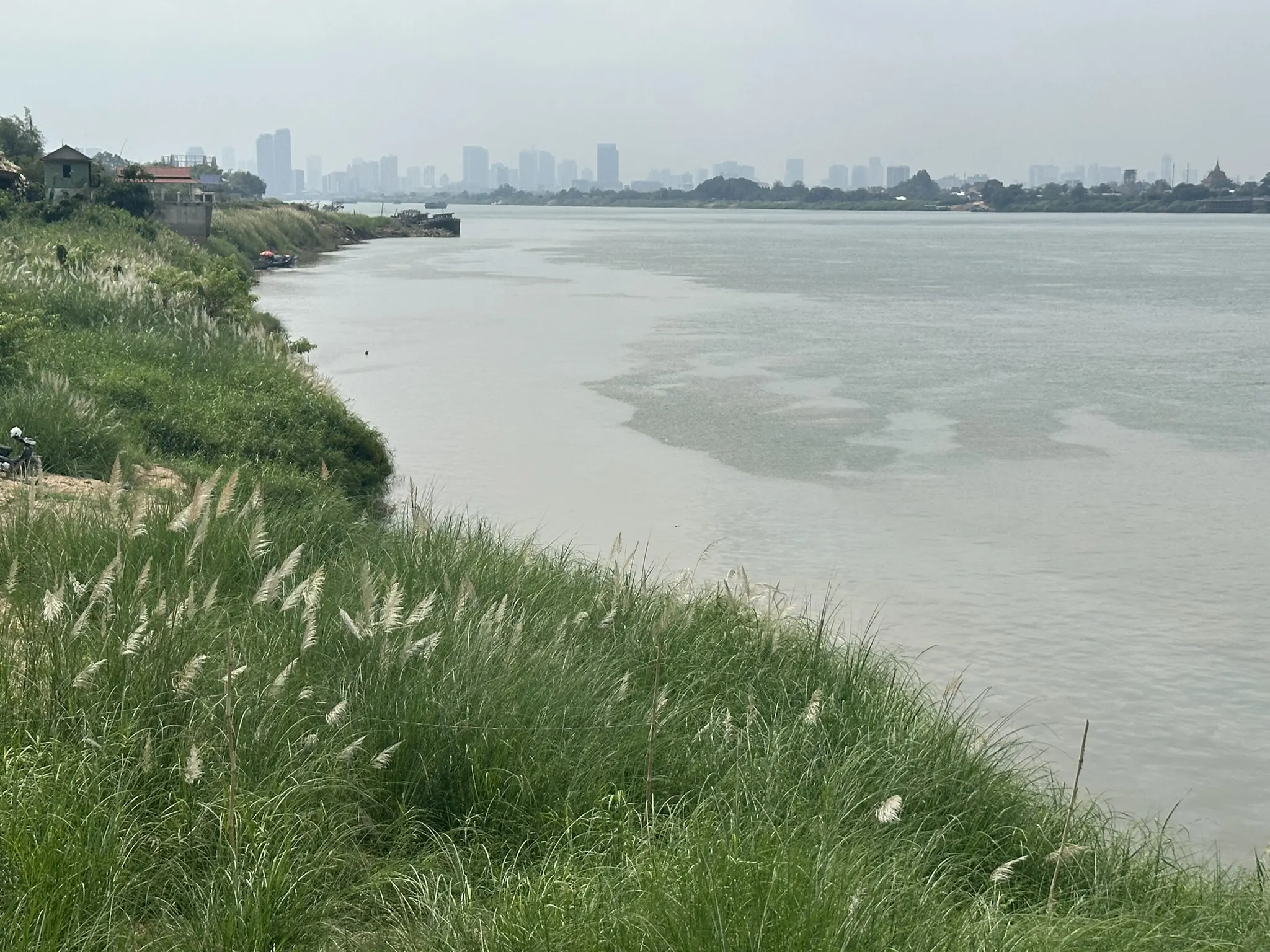
Asia-Pacific contains some of the world’s most climate-exposed geographies and fastest-changing development contexts. Small island states, delta systems, mountain corridors, rapidly growing cities and dispersed rural networks each create distinct resilience challenges.
Climate and disaster risks rarely occur in isolation. They compound across hazards and cascade through infrastructure and public-service systems, turning localised disruption into wider social and economic impacts.
This matters because many adaptation decisions involve long-lived assets and systems. Transport corridors, ports, electricity networks, water infrastructure, hospitals and schools are expected to perform for decades. If climate risk is considered too late, or only as a compliance exercise, opportunities to strengthen resilience are often missed and future costs become harder to avoid.
The consequences of failure extend far beyond the damaged asset itself. A blocked road can disrupt access to critical services, including food, healthcare and education. A power outage can affect water supply, communications, businesses and hospitals. A major flood or heatwave can place multiple systems under stress simultaneously.
For this reason, resilience is not only about protecting assets. It is about maintaining the services that people, communities and economies depend on.
For governments, development banks and infrastructure investors, this is an investment-quality issue because climate risk influences asset performance, service reliability, lifecycle costs, maintenance liabilities and long-term value for money. The objective is not simply to avoid damage but to ensure investments continue delivering the outcomes they were designed to provide.
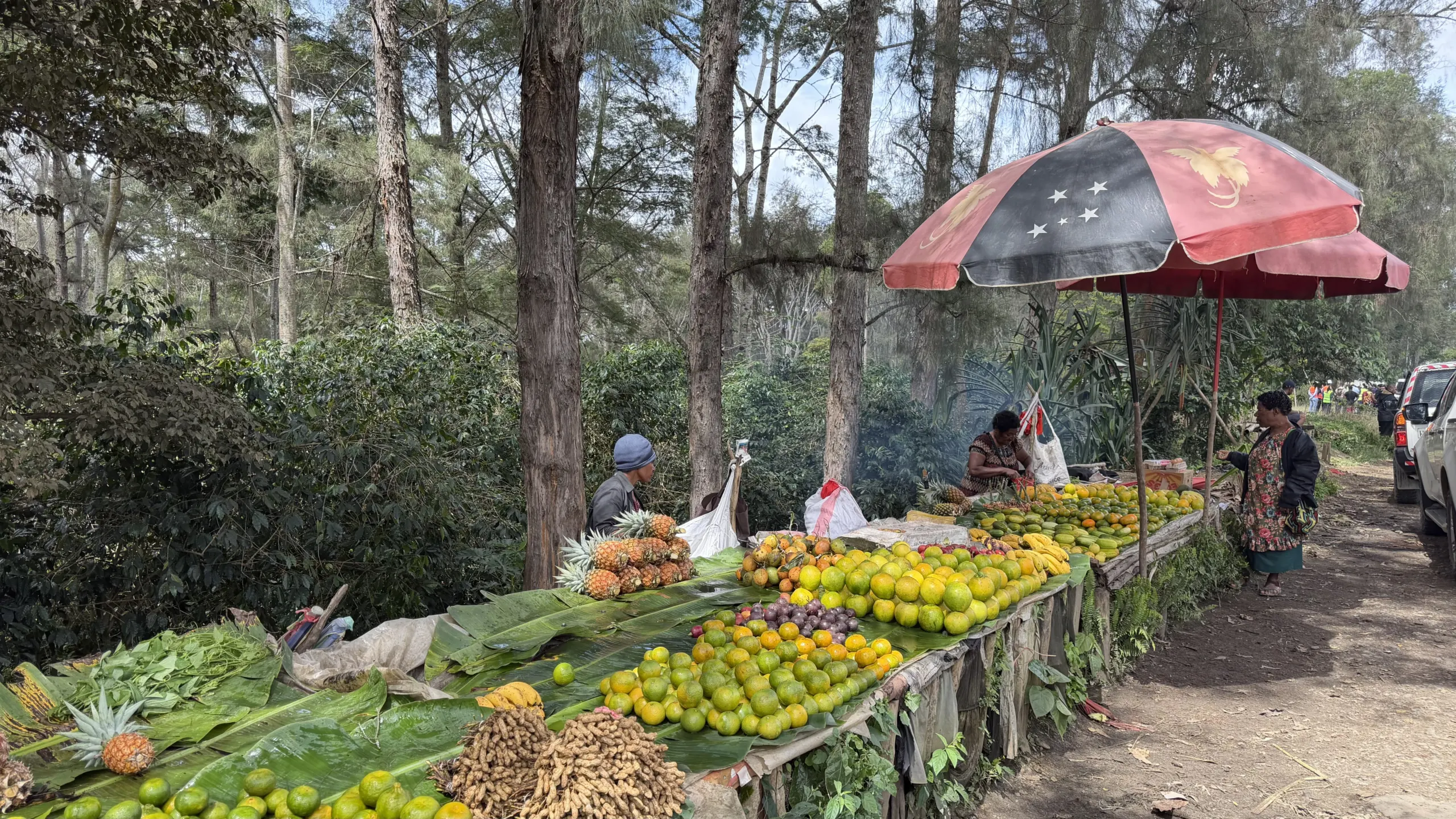
Risk-based adaptation starts with the consequences of failure. It asks not only whether a hazard may occur, but what would happen if an asset, service or system stopped performing.
In resilience planning, frequency is only part of the story. A road that floods rarely but provides the only practical access to a hospital, market or port may deserve more attention than a road that floods often but has an easy alternative route. The same logic applies to electricity, water and health systems: the priority is not just the likelihood of disruption, but what that disruption would mean for people, services and the wider economy.
Not every climate risk requires a major capital upgrade today. In many cases, the best first step is a low-regret measure that delivers benefits under both current and future conditions. This could include improved maintenance, better asset information, flood forecasting, slope inspections, disease surveillance or workforce preparedness.
Other investments may need to preserve optionality. In practice, this means keeping future choices open: designing upgrades so they can be expanded later, establishing trigger points for future action, and sequencing investments as conditions evolve.
This is the logic behind adaptive management and adaptive pathways approaches. Rather than committing to a single prediction of the future, these approaches identify sensible actions today while preserving options for tomorrow.
Adaptation requires taking sensible action now, monitoring performance and adjusting over time as new information becomes available. The following examples show how this decision-focused approach can support infrastructure and public-service resilience in practice.
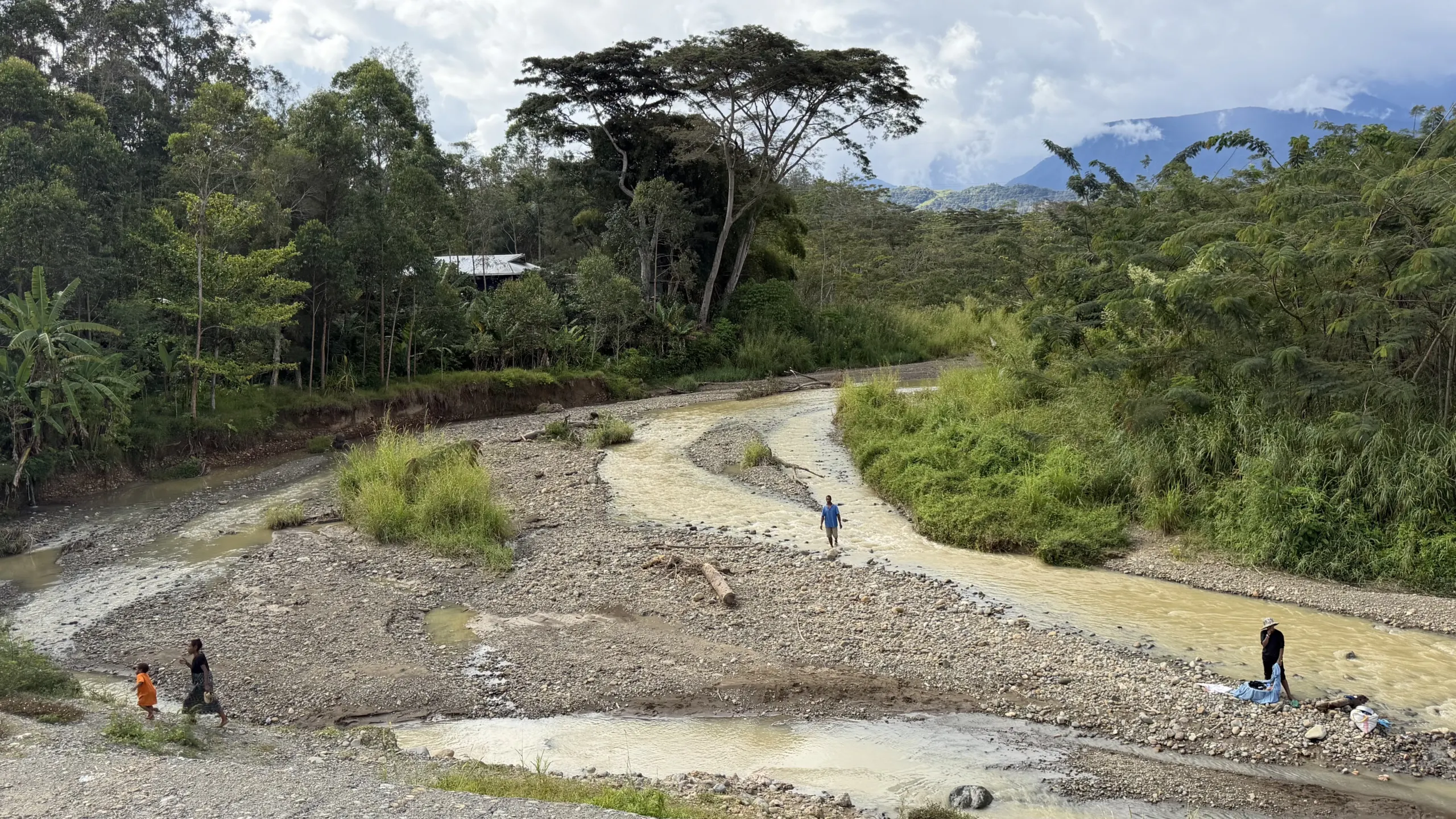
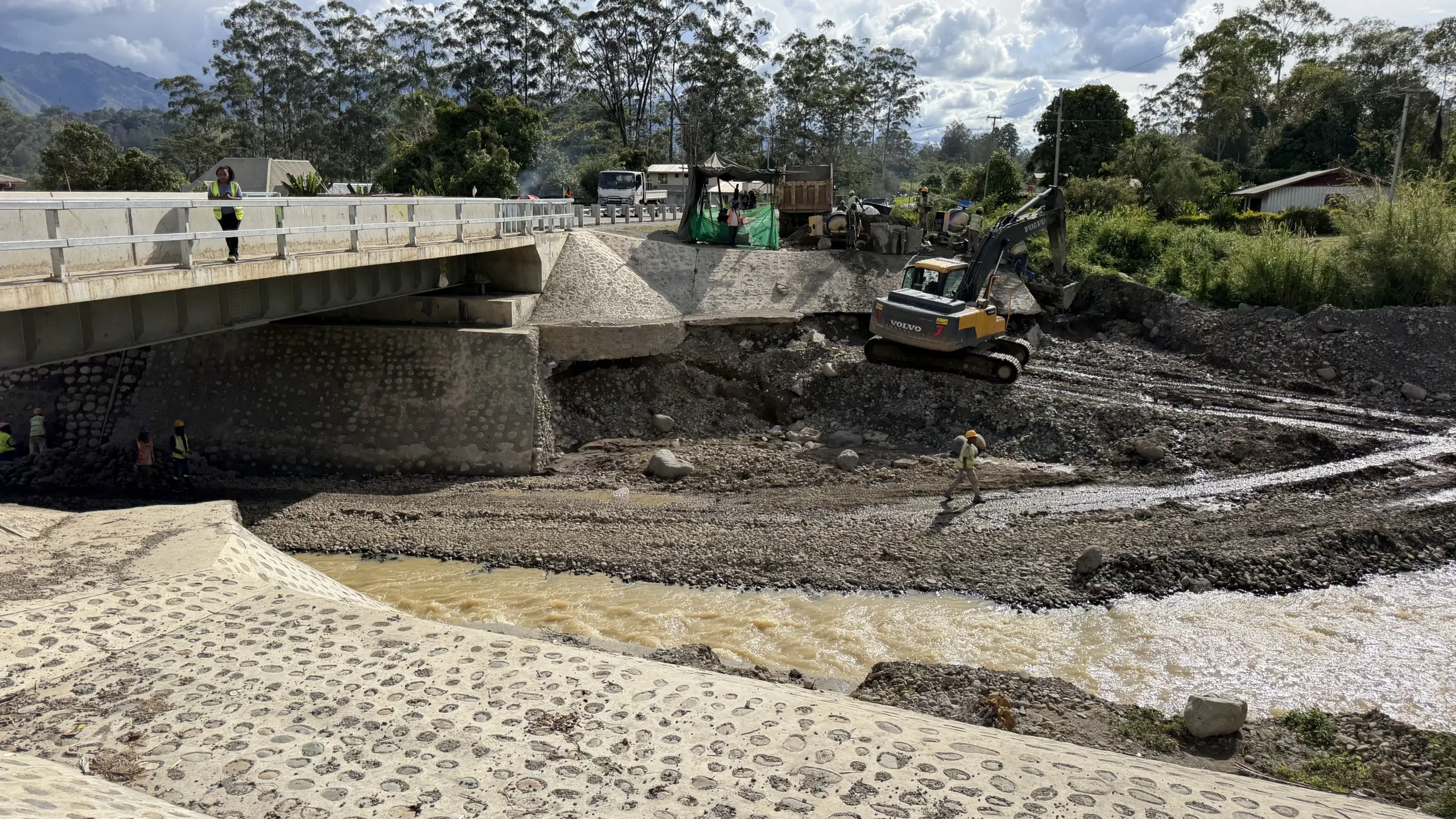
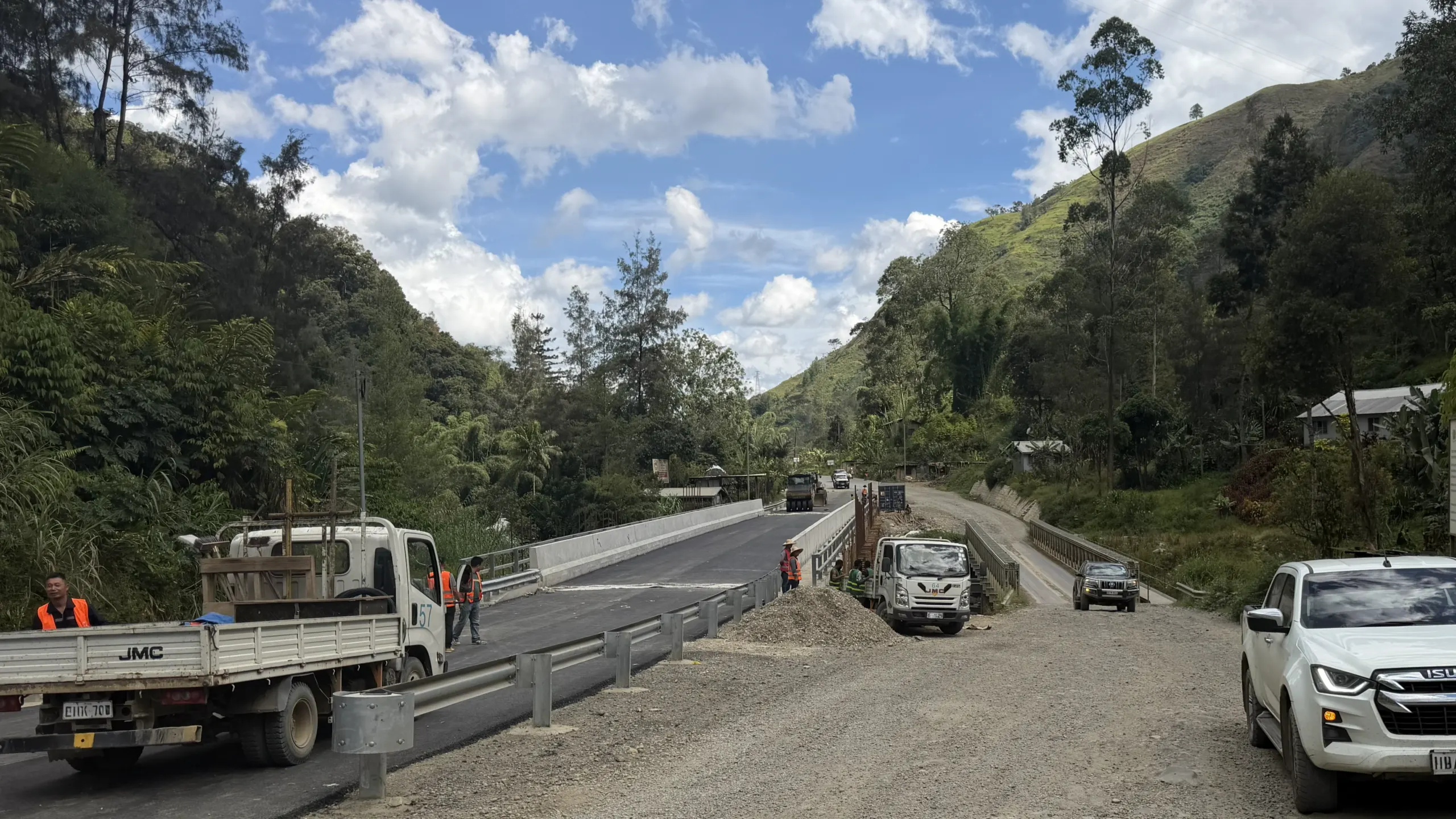
Papua New Guinea’s Highlands Highway provides a useful example. The corridor supports a significant share of the country’s population and economic activity, linking Highlands communities and production centres with Lae, the country’s major port.
The most critical vulnerabilities are often found at specific locations: flood-prone crossings, unstable slopes, damaged bridge approaches or sections with no practical alternative route. At these locations, climate risk becomes a question of access, safety, service continuity and consequence of failure.
For road agencies and funding partners, the key question is not simply where hazards are highest. It is which sections are most likely to stop functioning, what the consequences would be and what type of intervention is proportionate.
A useful assessment brings together multiple lines of evidence: flood exposure, climate projections, landslide susceptibility, asset conditions and network criticality. The greatest value comes from understanding where these factors overlap. A location with moderate hazard but poor asset condition and no redundancy may present a greater investment priority than a location with higher modelled hazard but lower service consequence.
The objective is not to make every section of road climate-proof. It is to identify where failure would matter most and direct investment toward measures that improve safety, access and service reliability over time.
Across the Greater Mekong Subregion, heat, flooding and seasonal climate variability are placing growing pressure on health-system planning. This is particularly relevant for climate-sensitive disease risks, where preparedness depends not only on understanding changing hazards, but on the strength of surveillance, service access, workforce readiness and the timing of public health action.
Climate information does not need to predict every outbreak to be useful. Its value lies in helping health systems recognise when risk may be increasing, strengthen early warning and act before impacts escalate.
To do this well, climate information needs to be connected with disease surveillance, local vulnerability, health service capacity and response arrangements. A rainfall or temperature anomaly may be one signal of changing risk, but it only becomes useful when linked to decisions that health authorities can make.
Early warning also depends on the responsibilities that sit around the information. Who monitors the signals? Who interprets the risk? Who decides when action is required? Who communicates with facilities and communities? And who has the authority and resources to respond? Without that clarity, even good climate and health intelligence may not lead to timely action.
The goal is not to remove uncertainty or predict every event. It is to build the capability to recognise changing risk, act earlier where possible, and improve preparedness over time.