Dam safety inspection sits at the heart of managing risk in major water infrastructure. While contemporary engineering has greatly reduced dam failure rates globally, the consequences of failures remain severe, and the risk environment is changing.
Across the sector, best practice has moved from static, compliance-driven inspection regimes to a dynamic, risk-informed process that spans the full lifecycle of an asset. This change reflects the growing complexity of dam systems, the context in which they operate, and the expectations placed on owners and operators.
In my experience advising dam owners, regulators, and international financing institutions, this shift has been both necessary and challenging. Inspection is no longer a standalone activity. It forms part of a wider system that supports timely, well-informed decisions about risk.
At its core, effective dam safety inspection is not simply about identifying defects. It involves recognising credible failure modes, understanding how they may develop over time, and supporting decisions that keep risk within tolerable levels. This principle, now embedded in international guidance from the World Bank and The International Commission on Large Dams (ICOLD), represents a fundamental change in philosophy.
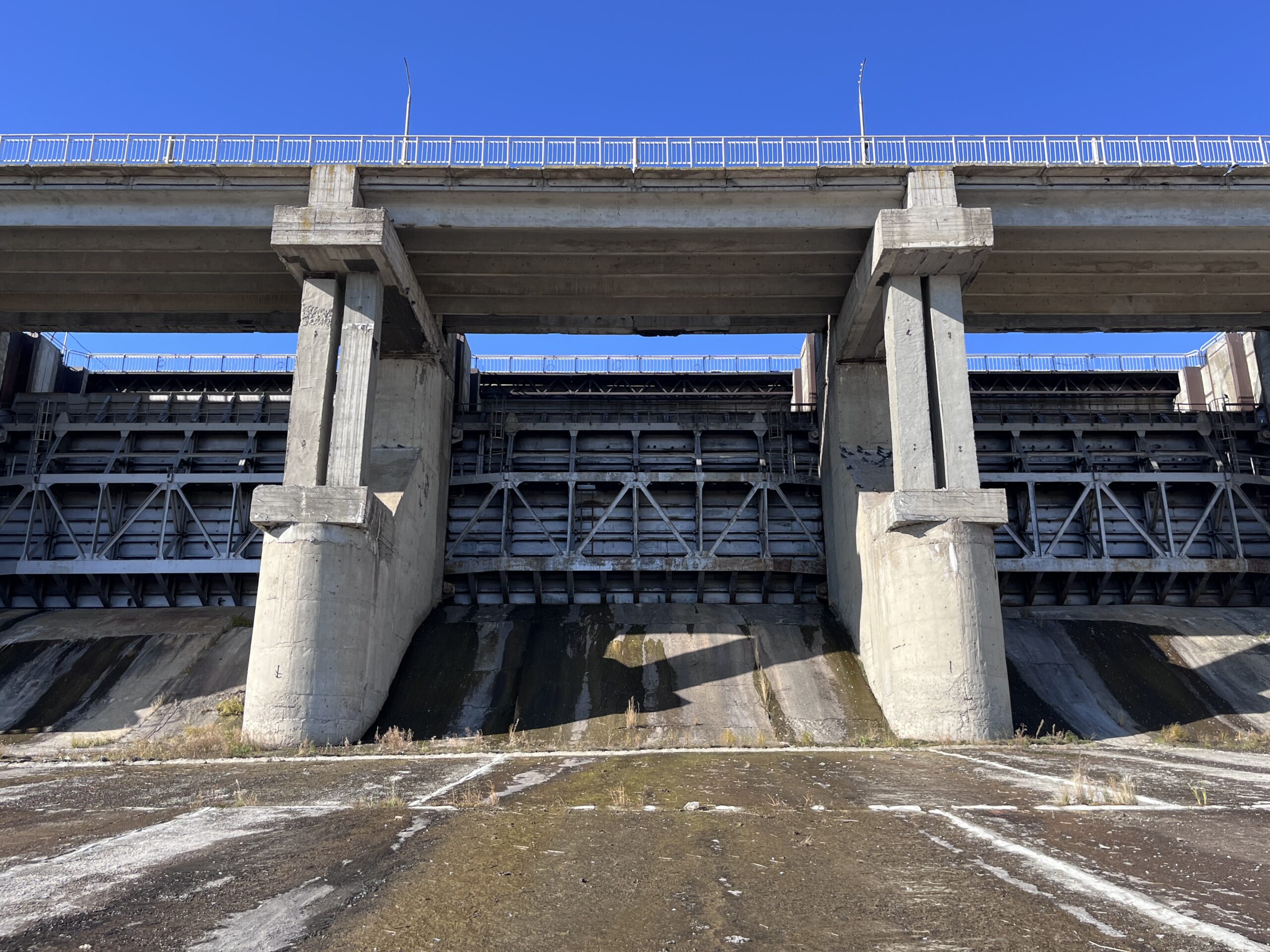
Historically, dam inspection was often periodic and prescriptive, focused on physical condition and compliance with engineering standards. While that remains important, current best practice emphasises a broader, more integrated approach.
ICOLD states that dams must be “continually supervised and inspected throughout [their] whole life” to ensure ongoing safety (ICOLD, 2026). Today, that supervision sits within a structured safety management system that includes:
Similarly, the World Bank’s Good Practice Note (2020) requires that inspections of existing dams go beyond visual checks. They should also consider performance history, operational procedures, and the adequacy of maintenance systems, with recommendations for safety enhancement where needed.
Critically, both frameworks emphasise independence. For high-hazard dams, the use of Panels of Experts or independent inspectors is now widely recognised as essential to provide objective scrutiny of complex or uncertain risks.
In practice, this means that the inspection function is no longer a discrete activity. It forms part of a wider assurance system that spans the full dam lifecycle, from feasibility through to decommissioning.
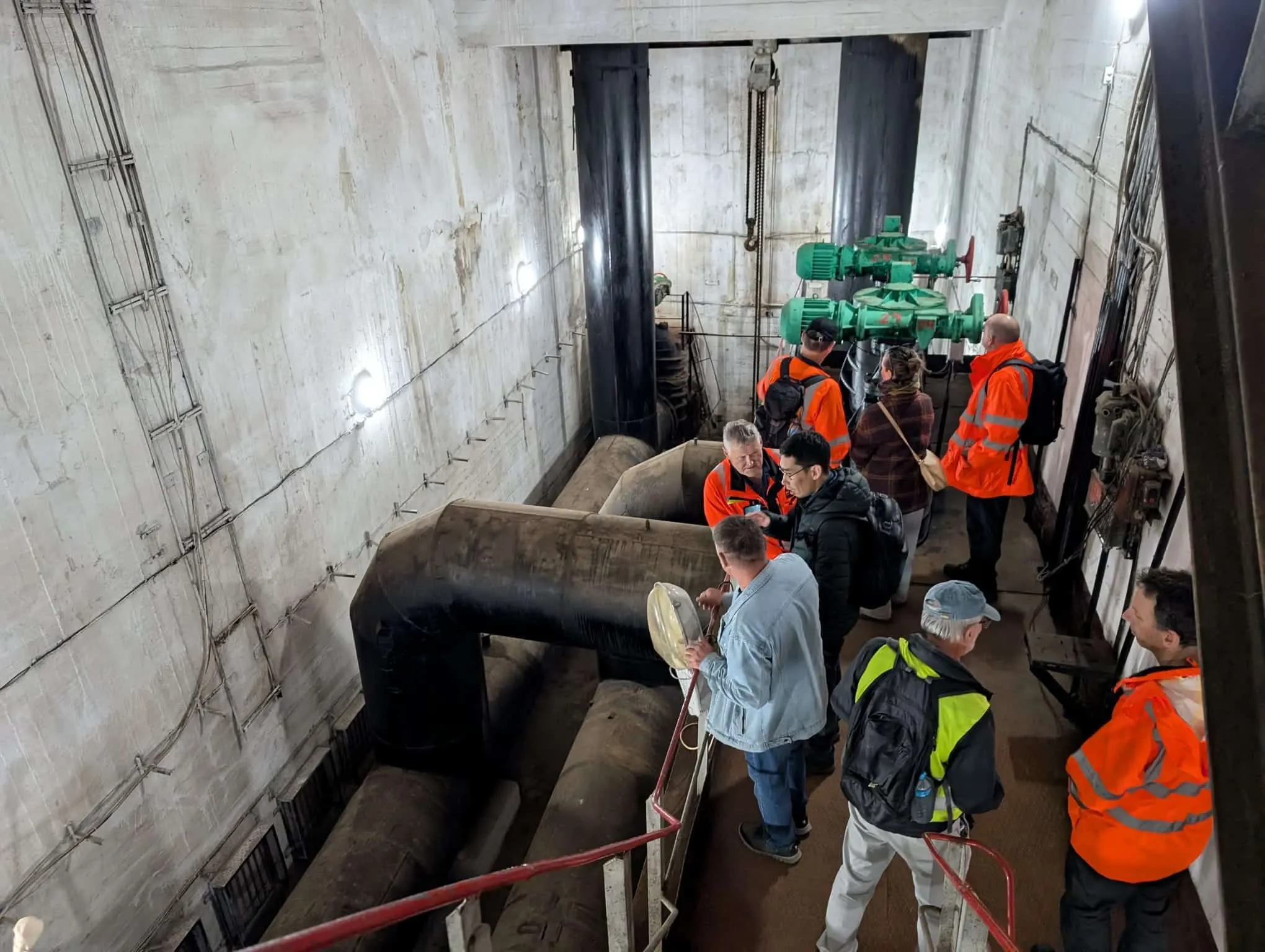
Despite this mature guidance landscape, implementation remains inconsistent. Through projects in different regions, several recurring challenges stand out.
1. Ageing infrastructure
A substantial proportion of the world’s dams are now beyond their original design life. Many were constructed between the 1950s and 1970s, and are now subject to material degradation, evolving load conditions, and outdated design assumptions.
Common issues identified in ageing dams include internal erosion (“piping”), structural deterioration, and seepage-related instability – all of which are well-recognised causes of failure.
For inspection, the challenge is that deterioration is often subtle and progressive. As a result, visual inspection alone may not detect early-stage failure mechanisms. As a result, inspection programmes increasingly depend on instrumentation, data interpretation, and expert judgement.
2. Climate change and hydrological uncertainty
Climate change is making dam safety inspection more uncertain. Many dams were designed using historical hydrological data that no longer represents current or future risk.
More frequent extreme rainfall, longer droughts, and changing flood patterns can all affect how dams perform and how they are operated.
From an inspection perspective, this requires a shift from verifying compliance with historical design criteria to actively assessing resilience under uncertain future conditions. This is inherently more complex and requires greater use of scenario-based assessment and probabilistic thinking.
3. Institutional and capacity constraints
Dam safety capability varies significantly between countries and organisations. In many contexts, inspection is shaped by a combination of institutional, regulatory, and resource constraints, including:
International guidance recognises that there is no single model for dam safety governance. Frameworks must be adapted to reflect local legal, cultural, and economic conditions.
For inspection, this can make consistent application difficult, particularly where external funding agencies require adherence to international standards.
4. Data availability and quality
Modern dam safety inspection relies heavily on good-quality data, including instrumentation records, maintenance logs, inspection reports, and historical performance analysis. However, many older dams lack complete or reliable records. In such cases, inspectors must work with gaps in the evidence base, which increases uncertainty and makes risk-based assessment more difficult.
The World Bank explicitly highlights the importance of data quality and analytical capability in enabling risk-based inspection decisions. In practice, this remains a significant and often underestimated constraint.
5. Integration of human and organisational factors
Many dam failures are not caused solely by technical issues. They are also linked to decision-making, communication, and maintenance regimes.
Modern inspection must therefore evaluate not only the physical asset, but also the effectiveness of the dam safety management system, including:
This expands the scope of inspection beyond traditional engineering boundaries and requires broader interdisciplinary expertise.
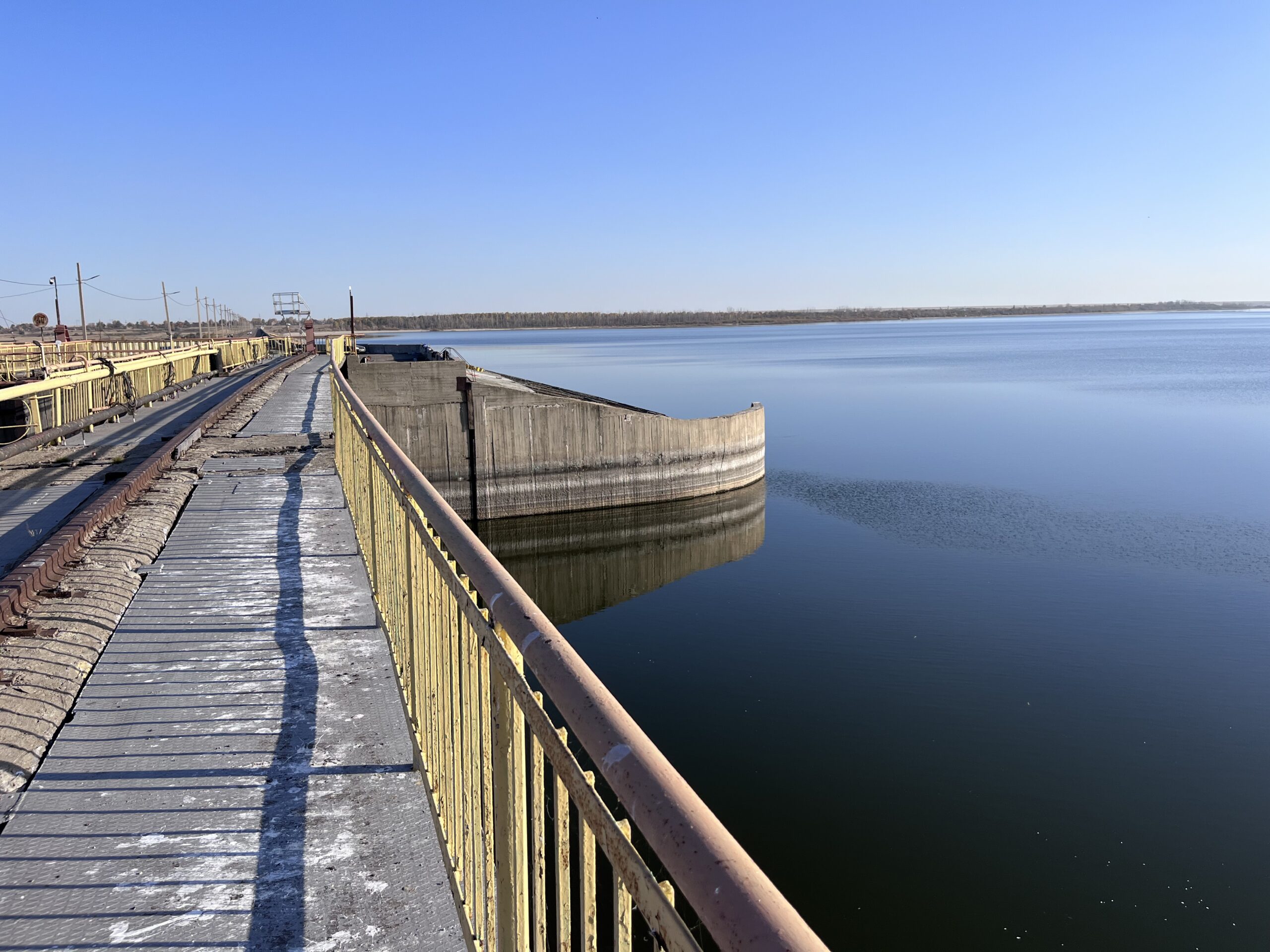
Dam safety inspection is no longer a routine engineering exercise. It is now a complex, multidisciplinary, risk-based process shaped by engineering, governance, and public safety.
International guidance has largely converged on a coherent set of principles: risk-based decision-making, lifecycle management, independent review, and continuous surveillance. The challenge now is less about defining best practice and more about applying it consistently across diverse institutional and economic contexts.
In my view, the most important shift is one of mindset. Inspection must move beyond asking, “is the dam acceptable?” and instead ask, “are we confident that all credible risks are understood and being managed appropriately?”
Where this mindset is embedded, inspection becomes a powerful tool for assurance. Where it is absent, even well-designed frameworks risk becoming procedural rather than protective.
Ultimately, the effectiveness of dam safety inspection will depend not just on technical capability, but on the willingness of organisations and regulators to confront uncertainty, invest in capability, and act decisively in the face of emerging risks.